

Sintra in One Day: How to Time It Properly
September 7, 2026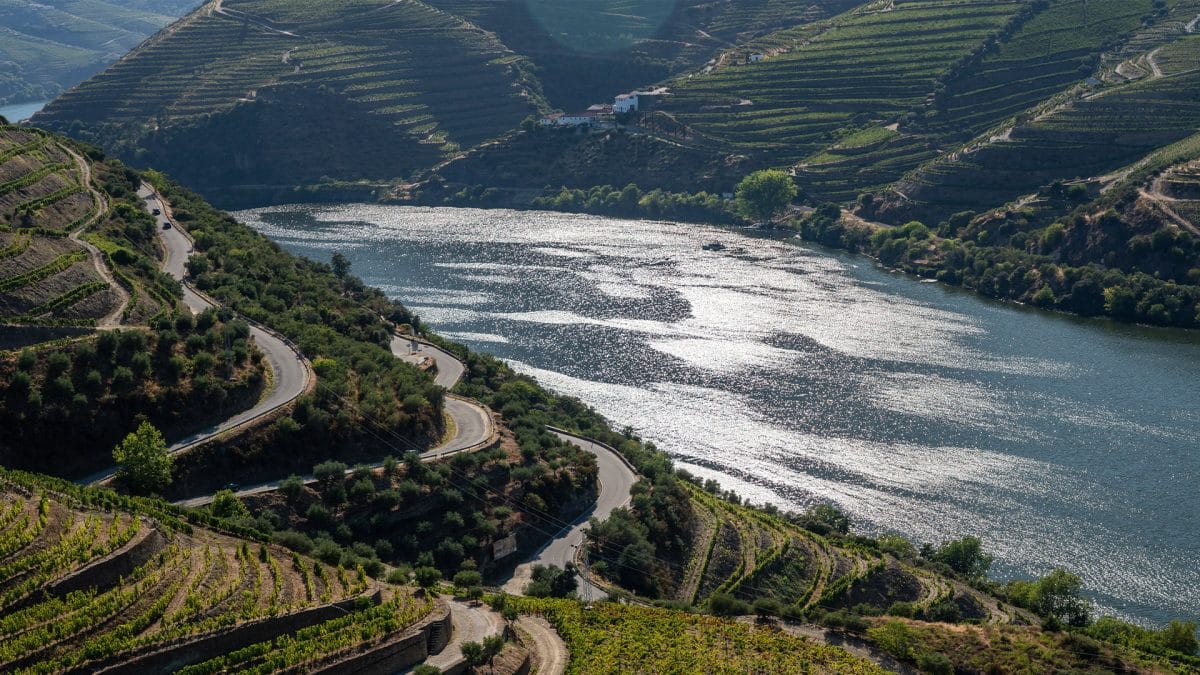
It’s the first question almost every traveller asks us, and the honest answer is that there’s no bad time to visit Portugal. There’s just a best time for you. It depends on what you want your days to feel like: beach days or city walks, festivals or quiet villages, vineyards in harvest or palaces without the crowds.
I’m Diogo — born in Lisbon, guiding here for over a decade. Here’s how each season actually feels on the ground.
Spring, March to May: our favourite time to explore
If someone asks us to pick one season, it’s usually spring. The hills turn green, wildflowers cover the Alentejo, and the weather is comfortable for full days of walking. Lisbon’s hills are much kinder at 20°C than at 32°C.
Crowds are lighter than in summer, so places like Sintra feel easier and more relaxed. May is especially lovely — warm enough for lunch outside and a walk along the coast, but the summer rush hasn’t started.
Good to know: Easter week is busy, especially in the north. If you’re travelling then, book early.
Summer, June to August: festivals, beaches, and long evenings
Summer in Portugal is lively. June brings the Santos Populares, the city festivals where neighbourhoods fill with music, grilled sardines and street parties. Lisbon celebrates Santo António in mid-June, and Porto’s São João on the night of 23 June is one of the most joyful nights of the year.
It’s also peak season. Expect real heat inland in the Alentejo and the Douro, fuller restaurants, and queues at the major sights. Summer works beautifully with a little planning: early starts, a slow lunch through the hottest hours, and evenings outside when the cities come alive.
The Algarve shines in summer — with one heads-up for first-timers: the Atlantic stays cool even in August.
Autumn, September to October: harvest season and golden light
Travellers who’ve been to Portugal more than once will tell you autumn is the secret. The sea is at its warmest, the summer crowds thin out, and the light turns golden.
It’s also harvest. In the Douro Valley, grape picking usually runs from mid-September into early October, and the terraced vineyards are at their most beautiful. If wine is part of your trip, this is the time.
Winter, November to February: quiet, local, and underrated
Winter is Portugal’s best-kept secret. It’s mild compared to most of Europe, with more rain — especially in the north — but plenty of bright, crisp days. You’ll share the viewpoints with locals instead of tour groups, and it’s a wonderful season for food: hearty stews, roasted chestnuts on street corners, and long lunches with no need to rush.
December brings Christmas lights and markets, and in late January and February the almond trees bloom across the Algarve.
It’s a great fit for travellers who care more about culture, food and history than beach time.
So, when should you go?
- First trip, want a bit of everything: May, or late September to October
- Festivals and energy: June
- Beach-focused: July to September
- Wine and the Douro: mid-September to October
- Fewer crowds and lower prices: November to March
- Travelling with grandparents or little ones: spring or autumn, when the weather is easier on everyone
One last thing
The season matters less than how your days are planned. A well-paced summer trip — with the right start times and a local who knows where to go when the crowds arrive — can feel calmer than a rushed trip in the “perfect” month.
That’s what we do. Tell us when you’re thinking of coming and what matters most to you, and we’ll help you make the most of that season.
Not sure which month fits? Send us a message — we’re always happy to help you think it through.


